Tuesday, October 1, 2013

Tuesday, March 5, 2013
Monkeys Reject Food From People Who Are Mean To Fellow Humans
When we observe an interaction between two other human beings
(Person A and Person B), we sometimes draw conclusions about the personality
traits or character of these two individuals. For example, if we see that
Person A is being rude to Person B, we may be less likely to trust Person A, even
though we are merely "third-party" evaluators. i.e. not directly involved
in the interaction. Multiple studies with humans have already documented such
third-party social evaluation, which can even occur among children. A study
published in 2010 showed that 3-year old children were less likely to help
adults who had previously acted in a harmful manner in front of the kids, i.e. torn
up a picture drawn by another adult in a staged experiment.

Do animals who observe humans also conduct such third-party social
evaluations of humans? The recent study "Third-party
social evaluation of humans by monkeys" published in Nature Communications by James Anderson
and colleagues staged interactions with human actors in front of tufted
capuchin monkeys (Cebus apella). The
researchers found that the monkeys indeed evaluate humans after witnessing
third-party interactions involving either helpful interventions or a failure to
help fellow humans.
In front of each monkey, two actors performed either
"helper" sessions or "non-helper" sessions. In the "helper"
sessions, Actor A tried to get a toy out of a container and requested help from
Actor B, who complied and helped out Actor A. In the "non-helper"
sessions, Actor B refused to help. After the sessions, both actors offered a
piece of food to the monkey. In the helper sessions, monkeys readily accepted
food from both actors. On the other hand, monkeys in the non-helper sessions accepted
food more frequently from actor A (the requester of help) than Actor B (the non-helper).
The researchers also added an interesting twist to the experiment
by creating a situation in which both actors had their own containers. The
researchers then created an "occupied non-helper" condition in which
Actor B did not even acknowledge Actor A's request because Actor B was pre-occupied
by their own container. In this "occupied non-helper" situation, the
monkeys accepted food from both actors equally. In an "explicit non-helper"
condition, Actor B acknowledged the request for help from Actor A but explicitly
rejected the request. In this latter situation, the monkeys were less likely to
accept food from Actor B.
This study is not the first study to evaluate third party social
evaluations of humans by non-human primates, but its strength lies in its meticulous
design. Both actors offered the same type and amount of food to the monkeys, so
that the most likely explanation for the monkeys' choices was indeed the
interactions of the humans with each other.
The research presented in this study gives us a fascinating
insight into how third party social evaluations by non-human primates. The fact
that the monkeys discriminated between occupied non-helpers (i.e people who were
too busy to notice the request for help) and explicit non-helpers (i.e. people
who were just plain mean - they noticed the call for help but rejected it) shows
a very fine-tuned analysis of human interactions. It is a good reminder of how
human interactions can leave lasting impressions on fellow beings - humans and
non-humans.
Image credit: Adult Tufted Capuchin by
Charles J Sharp, via Wikimedia Commons (Creative Commons License).
 Anderson, J., Kuroshima, H., Takimoto, A., & Fujita, K. (2013). Third-party social evaluation of humans by monkeys Nature Communications, 4 DOI: 10.1038/ncomms2495
Monday, February 25, 2013
The Neurotransmitter Dopamine May Be A Key Mediator Of The “Superiority Illusion”
The concept “superiority illusion” refers to the fact that people tend
to judge themselves as being superior to the average person when it comes to
positive traits such as intelligence, desirability or other personality traits.
This is mathematically not possible, because in a normally distributed
population, most people cannot be above average. The “superiority illusion”
belongs to a family of positive illusions, such as the “optimism bias”, which
is characterized by an unrealistic positive outlook regarding our future. It is
thought that such positive illusions may help ward off depressive symptoms and
promote mental health.

The neural mechanisms responsible for the “superiority illusion”
are poorly understood. The recent study “Superiority
illusion arises from resting-state brain networks modulated by dopamine”
published in the Proceedings of the
National Academy of Sciences by Yamada and colleagues used resting functional
MRI (fMRI) and PET imaging of the brain in 24 male subjects without known psychiatric or neurologic disease to investigate the
neural mechanisms involved in the generation of the superiority illusion. Their
findings suggest that the degree of superiority illusion correlates negatively
with functional connectivity between two parts of the brain (the anterior
cingulate cortex and the striatum) and that the proposed mediator is the
neurotransmitter dopamine. This would mean that increasing dopamine levels in
the striatum could promote a person’s superiority illusion.
One limitation of the study was that the findings were purely
associative and did not prove an actual causal link between dopamine levels and
the superiority illusion. Another limitation of the study was that the
researchers only performed imaging at one time point and did not track whether
changes in the self-perception of superiority in the subjects (over time or in
response to certain interventions) also correlated with changes in the brain
imaging.
Despite these limitations, the study is quite novel in that it
attempts to define the neural mechanism for the “superiority illusion”. The
fact that it points to dopamine as a mediator could have important implications.
The authors of the paper believe that the “superiority illusion” promotes
self-esteem and is an innate counterbalance to depressive symptoms. If further
studies confirm a causal role for dopamine in promoting the “superiority
illusion”, one could conceivably design novel pharmacologic therapies that
target the dopaminergic system and help patients with severe depression who
suffer from low-self-esteem.
However, a lot more mechanistic research needs to be conducted
before pharmacologic dopaminergic stimulation can be pursued as a treatment for
depression. We also need to be aware of the fact that psychiatric medications
are often over-prescribed. If newer medications become available
which are able to raise self-esteem and foster “superiority illusions”, they
might be unnecessarily prescribed to many people who do not suffer from true
major depression. The last thing we need is a world in which everyone becomes
even more convinced how superior and wonderful they are.
Image credit: Striatum from Anatomography
maintained by Life Science Databases(LSDB) via Wikimedia Commons (Creative
Commons License).
Yamada, M., Uddin, L., Takahashi, H., Kimura, Y., Takahata, K., Kousa, R., Ikoma, Y., Eguchi, Y., Takano, H., Ito, H., Higuchi, M., & Suhara, T. (2013). Superiority illusion arises from resting-state brain networks modulated by dopamine Proceedings of the National Academy of Sciences DOI: 10.1073/pnas.1221681110
Wednesday, February 13, 2013
New Survey Shows That Plagiarism Creates Job Opportunities
WASHINGTON,
D.C.- Plagiarism is back in the headlines. The German Education Minister
Annette Schavan recently resigned because of allegations of plagiarism in her
doctoral dissertation. There was also significant outrage when it became public
that the now discredited science journalist Jonah Lehrer was paid $20,000 to
speak at the Knight Foundation about plagiarism and other forms of journalistic
misconduct that he has engaged in.
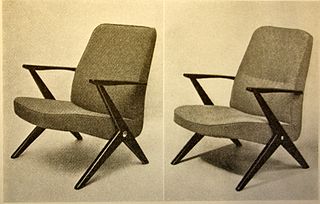
Christopher
Robin of the Winnie Foundation feels that plagiarists are unfairly maligned. His
foundation conducted a survey, which proved that plagiarism scandals usually
result in weeks of extensive reporting and investigations, thus providing new
job opportunities for investigative journalists and academic committees. "Plagiarists create jobs for
others. They should be seen as heroes and not as villains, especially during a
recession when there aren't too many jobs out there."
Robin also said
that plagiarism may soon become a highly attractive career for US college
graduates. "Lehrer is becoming an excellent
role model. He shows that you can earn good money while you are engaging in
plagiarism. Even if you are caught, you still receive large
honoraria to speak about your misconduct. Plagiarists have excellent job
security."
Meanwhile,
the Cocaine Retailer Association of
Chicago (CRAC) says that at least three of its members are applying to the
Knight Foundation for an opportunity to give a lecture. "They would like to speak about how wrong it
is to sell drugs and some of them would be willing to do it for only half of the
Lehrer honorarium."
Image Credit: Bengt Ruda's chair and a plagiarized version via Wikimedia
Commons
Tuesday, February 12, 2013
Teju Cole on W.G. Sebald
Teju Cole writes in the New Yorker about the German author W.G. Sebald:
Throughout his career, W. G. Sebald wrote poems that were strikingly similar to his prose. His tone, in both genres, was always understated but possessed of a mournful grandeur. To this he added a willful blurring of literary boundaries and, in fact, almost all his writing, and not just the poetry and prose, comprised history, memoir, biography, autobiography, art criticism, scholarly arcana, and invention. This expert mixing of forms owed a great deal to his reading of the seventeenth-century melancholics Robert Burton and Thomas Browne, and Sebald’s looping sentences were an intentional homage to nineteenth-century German-language writers like Adalbert Stifter and Gottfried Keller. But so strongly has the style come to be associated with Sebald’s own work that even books that preceded his, such as those by Robert Walser and Thomas Bernhard, can seem, from our perspective as readers of English translations, simply “Sebaldian.”Sebald’s reputation rests on four novels—“Vertigo,” “The Emigrants,” “The Rings of Saturn,” and “Austerlitz”—all of them reflections on the history of violence in general, and on the legacy of the Holocaust in particular. Our sense of this achievement has been enriched by his other works: the ones published in his lifetime (the lectures “On the Natural History of Destruction” and the long poem “After Nature”), and those that were released posthumously (including the essay collection “Campo Santo,” and the volumes of short poems “Unrecounted” and “For Years Now”). Sebald’s shade, like Roberto Bolaño’s, gives the illusion of being extraordinarily productive, and the publication now of “Across the Land and the Water,” billed as his “Selected Poems 1964-2001,” does not feel surprising. Ten years on, we are not quite prepared for him to put down his pen.
Read more here
Abdul Ghaffar Khan: Pioneer of Nonviolence
Nasim Saber writes in Qantara:

He was a contemporary of Indian pacifist
Mahatma Gandhi and always preached an Islam of nonviolence: Abdul Ghaffar Khan,
the man who was venerated by the Pashtuns as "King of Chiefs" died 20
years ago in Peshawar
Abdul Ghaffar Khan was born in 1890 in Charsadda near Peshawar Afghanistan
Abdul Ghaffar Khan grew up to become a pioneer of
nonviolence in a region plagued by wars. The Pashtuns still revere him today as
"Badshah Khan" (King of Chiefs).
In 1910, when he was only 20 years old, Abdul Ghaffar
Khan already built a school near Utmanzai in the northwest region of what is
today Pakistan. He went on to found the "Anjuman-e islah ul Afghana"
(Afghan Reform Association) and to publish the magazine "Pashtoon" in
order to reach the masses under British domination.
Read more here
Image Credit: Abdul Ghaffar
Khan and Gandhi in 1940, Public Domain image via Wikimedia
Monday, February 11, 2013
Seven Myths About Obesity And Weight Loss?
Whether we cruise the internet, turn on the TV or simply open up our
email Inbox, we are bound to encounter advice regarding obesity and weight
loss. The problem is that a lot of the circulated opinions about obesity and
weight gain are only poorly supported by medical and scientific evidence. The
recent paper “Myths, Presumptions,
and Facts about Obesity” published in the New England Journal of Medicine on January 31, 2013 by Krista
Casazza and colleagues investigates popular notions about obesity and tests
whether they are actually backed up by peer-reviewed, evidence-based studies.
Their findings are quite surprising and unravel many of the “myths” that relate
to obesity and weight problems. The authors refer to these notions as “myths”,
because they were unable to find adequate evidence to back them up and even
find some evidence that actually refutes the notions. Unfortunately, the data
presented by the authors does not always provide definitive evidence, so it may
be rather premature to dismiss these widely held beliefs as “myths”.

Here are the seven “myths” about obesity and weight gain that the
authors discuss:
Myth number 1: Small sustained
changes in energy intake or expenditure will produce large, long-term weight
changes.
The authors claim that this is a myth, because it is based on the
assumption that small dietary or activity changes yield benefits that continue
to accumulate and result in large changes. They think that these calculations overestimate
the achieved weight loss, because they do not adequately take into account that
the metabolism adapts to the ongoing weight loss. A very obese person with a
high caloric intake may respond strongly to a minor increase in daily exercise
levels, but the degree of weight loss will decrease over time.
I have to disagree with Casazza and colleagues on this point, because I
think that their analysis does not refute the idea of small sustained changes
having long-term benefits. One can disagree about the magnitude of the
long-term benefit, but there is still a long-term benefit.
Myth number 2: Setting realistic
goals for weight loss is important, because otherwise patients will become
frustrated and lose less weight.
Casazza and colleagues cite multiple studies which show that ambitious
weight loss goals may be associated with better outcomes.
Myth number 3: Large, rapid
weight loss is associated with poorer long-term weight-loss outcomes, as
compared with slow, gradual weight loss.
The authors point to a meta-analysis (summary analysis of multiple
published studies) which showed that very low energy diets (rapid weight loss)
and low energy diets are similarly successful in terms of achieving weight
loss.
Myth number 4: It is important to
assess the stage of change or diet readiness in order to help patients who
request weight-loss treatment.
The evidence does not support the need to wait for people being “ready”
for weight loss. It may be best to start right away.
Myth number 5: Physical-education
classes, in their current form, play an important role in reducing or
preventing childhood obesity.
The authors of the paper summarize the results of multiple studies which
did not show any statistically significant and consistent benefit of increasing
physical education time in school on childhood obesity. They state that there
is probably a level of activity that will be beneficial, but that this level
may not be achieved in the limited amount of time that children have in school
for physical education.
The problem with the analysis of the Casazza and colleagues is that they
dismiss the findings as “inconsistent”, but this inconsistency may reflect that
some children do benefit from the intervention while others do not. One study,
for example, showed a benefit in girls that were overweight, but not in boys.
This “inconsistency” does not necessarily invalidate the notion, it merely
means that we need to identify the group of children that are most likely to
benefit and to perhaps modify the type and duration of physical education in
schools to help even more groups of children.
Myth number 6: Breast-feeding is
protective against obesity.
Casazza and colleagues reviewed all the major studies in this area and
found no significant evidence that breast-feeding children protects them
against obesity, but they concede that breast-feeding may be associated with
other benefits for the child, unrelated to obesity.
Myth number 7: A bout of sexual
activity burns 100 to 300 kcal for each participant.
The authors calculate the amount of calories burned during sexual
activity and estimate that the actual amount is probably closer to 20 to 30
kcal (calories) and not 100 to 300
These are the seven “myths” that the authors claim to have debunked. I
also think that it is important to note the disclosures at the end of the
article, which shows that the authors have very strong ties to food
manufacturers. Here are the financial disclosures for just one of the authors:
“Dr. Astrup reports receiving payment for board membership from the Global Dairy Platform, Kraft Foods, Knowledge Institute for Beer, McDonald’s Global Advisory Council, Arena Pharmaceuticals, Basic Research, Novo Nordisk, Pathway Genomics, Jenny Craig, and Vivus; receiving lecture fees from the Global Dairy Platform, Novo Nordisk, Danish Brewers Association, GlaxoSmithKline, Danish Dairy Association, International Dairy Foundation, European Dairy Foundation, and AstraZeneca; owning stock in Mobile Fitness”
These financial ties do not invalidate the analysis, but they should be
considered when interpreting the results.
Overall, I think this is an important paper, because it shows us that we
often operate under certain assumptions about obesity and weight loss without
there being adequate evidence to back it up. This highlights the need for more
unbiased research in this area. However, I am disappointed by some of the
analyses made by the authors, when they summarily dismiss a belief as a “myth”,
just because there are some inconsistencies or differences in estimated
benefits. Instead of using the somewhat sensationalist term “myth”, it would
have been better if the authors had just focused on pointing out weaknesses in
the current evidence and need for more studies.
Image credit: Painting
“Schlaraffenland” (“The Land
of Cockaigne
Casazza K, Fontaine KR, Astrup A, Birch LL, Brown AW, Bohan Brown MM, Durant N, Dutton G, Foster EM, Heymsfield SB, McIver K, Mehta T, Menachemi N, Newby PK, Pate R, Rolls BJ, Sen B, Smith DL Jr, Thomas DM, & Allison DB (2013). Myths, presumptions, and facts about obesity. The New England journal of medicine, 368 (5), 446-54 PMID: 23363498
Council Of Muslim-Americans (COMA) Says Next Pope Should Be An American Muslim Woman
WASHINGTON,
D.C.- Pope Benedict XVI surprised everyone by announcing that he is going to
retire. He will be the first pope in nearly 700 years to resign, because most
popes retain their office until they die.

The Council
Of Muslim-Americans (COMA) responded to this announcement by pointing out a
long tradition of anti-Muslim discrimination among Catholic clergy. At a press
conference, the COMA spokesperson Abdullah Abdullah said that this was an
opportunity for the Catholic Church to prove that it has moved beyond Islamophobia.
"We have reviewed the religious affiliations of all the previous popes and we noted that none of them have been Muslim. This is clearly a sign of anti-Muslim discrimination and Islamophobia. There has also never been an American pope and none of the popes have been women. As proud Americans and advocates for the rights of women, we believe that the Vatican should engage in papal equality and choose an American Muslim woman as the next pope."
Image Credit: Pope Innocent, Fresco at the
cloister Sacro Speco via Wikimedia Commons
Teju Cole on literary empathy, humanity and drones
Teju Cole writes in The New Yorker about literary empathy, humanity and drones:


I know language is unreliable, that it is not a vending machine of the desires, but the law seems to be getting us nowhere. And so I take helpless refuge in literature again, rewriting the opening lines of seven well-known books:
Mrs. Dalloway said she would buy the flowers herself. Pity. A signature strike leveled the florist’s.
Call me Ishmael. I was a young man of military age. I was immolated at my wedding. My parents are inconsolable.
Stately, plump Buck Mulligan came from the stairhead bearing a bowl of lather. A bomb whistled in. Blood on the walls. Fire from heaven.
I am an invisible man. My name is unknown. My loves are a mystery. But an unmanned aerial vehicle from a secret location has come for me.
Someone must have slandered Josef K., for one morning, without having done anything truly wrong, he was killed by a Predator drone.
Okonkwo was well known throughout the nine villages and even beyond. His torso was found, not his head.
Mother died today. The program saves American lives.
You can read more here.
Sunday, February 10, 2013
Professor Hands Out "Erase Undesirable Data Points" Coupons To PhD Students

Richard ("Dick") Tator is a Professor for Complementary and
Alternative Science (CAS) at UCT and explains the findings.
“If a PhD student conducts an experiment with eight mice and five respond
one way, but three mice the opposite way, most students then have to conduct
additional experiments with many more mice to obtain a definitive,
statistically significant result. This can prolong the duration of a PhD by
months or even years.”
Professor Tator has now come up with a very innovative program to address
this problem. He hands out “coupons” to his students which allow them to simply
erase any data points which are interfering with the statistical significance of
the results or which do not conform with the anticipated findings.
Lay Zee is a student in Professor Tator’s laboratory and is a big fan of
the new system. “Dick is just a wonderful mentor. He basically allows every
graduate student to earn up to three coupons a year, and each coupon is good
for up to two years. So you do not have to use them all up at once and you can keep
them in stock for a future data point that does not support your hypothesis.”
Lay says that Professor Tator gives out one “erase undesirable data coupon”
for performing three chores, such as walking his dog, picking up Professor
Tator’s laundry and baby-sitting his children. Lay feels that implementing
“erase undesirable data coupons” is a win-win situation for everyone.
“I get to graduate sooner and we get to publish our results faster. Some of
my friends in other programs are going to be stuck in their PhD program for
another two or three years, performing mundane experiments, just to ensure that
they will have statistically valid results, whereas I am already receiving job
offers.”
Tator’s colleagues are also impressed with his innovative approach. Knott
Eggsist is a professor of philosophy and UCT and admits that he is a bit
envious.
“Professors in the humanities also have dogs that need to be walked and our
students are also stuck in a PhD program for a very long time, sometimes as
long as 8 or 9 years. We would love to have something similar to Dick’s
coupons, but our problem is that we do not really have any actual data in the
humanities.”
“How do you erase a data point that never even existed?”, Eggsist asks.
After a brief pause, his eyes light up and he then nods vigorously, “Now that
would be a great dissertation topic!”
Eggsist then talks about an equally innovative program that his department
might implement.
“We are considering an entirely different approach in the philosophy
department. We have determined that PhD in philosophy is prolonged
unnecessarily because one has to deal with all the complex and long-winded
thoughts of German philosophers. We will therefore start using an ‘Erase a
German philosopher coupon’. With each coupon, our students will be able to
write their dissertation and pretend that for example Hegel, Kant or Nietzsche or
any other German philosopher of their choosing never existed and simply ignore
all their writings.”
Subscribe to:
Posts (Atom)